
Skip to content
Spey Roofing logoSpey Roofing

Roofing service

Heat Tape Installation

Heat tape can help manage ice buildup in the right situations. Spey Roofing will assess whether it is appropriate for your roof rather than selling it by default.

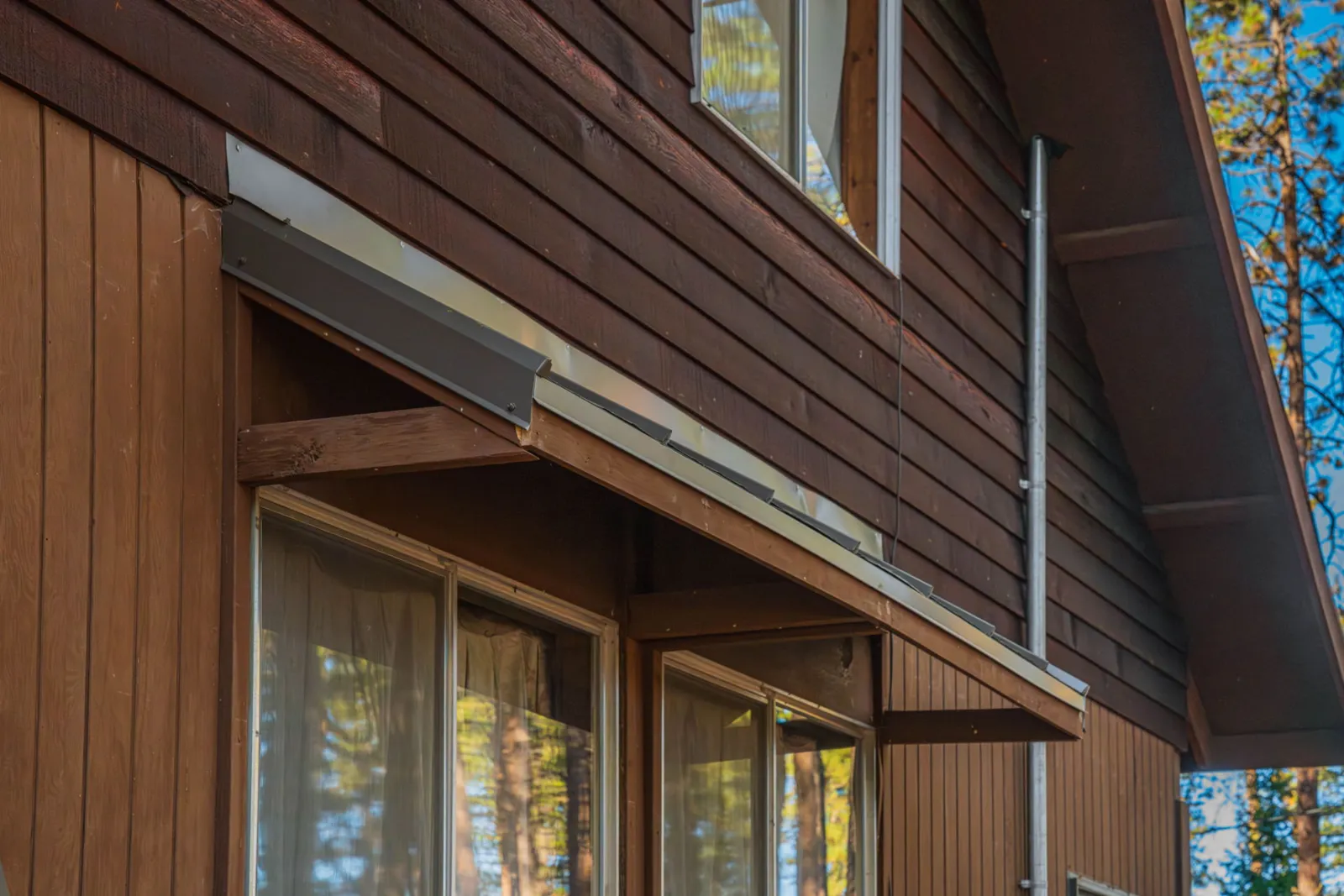
Roof eave and fascia detail where heat tape is installed to control ice buildup

How ice dams form and where heat tape helps

An ice dam forms when heat escaping from the living space warms the roof deck, melts snow from underneath, and that meltwater runs down to the cold overhang and refreezes. The ridge of ice that builds up at the eave blocks the next round of meltwater, which then backs up under the shingles and finds its way into the wall or ceiling. Heat cable creates a melt path through that ice so water keeps moving off the roof and out of the gutter instead of pooling behind a dam. It is a management tool for problem areas, not a way to keep a whole roof clear.

Where we install it

We install heat tape where it actually addresses a known problem: along eaves that ice up every year, in valleys that trap and refreeze meltwater, and in gutters and downspouts so the melt path continues all the way to the ground. Layout matters — cable run in the wrong pattern, or run to a gutter that stays frozen solid, does very little. We will look at where your ice has actually formed in past winters, which is usually obvious from staining and damage, and design the run around that. Installation includes a safe power connection point, and you control when it runs.

When heat tape is not the right answer

We will tell you when heat tape is the wrong fix. Persistent ice damming is often a symptom of heat loss and poor attic ventilation, and in those cases improving insulation and airflow addresses the cause rather than the symptom. If the underlying roofing or flashing has already failed, cable will not stop the leak either. It also uses electricity every time it runs and the cable itself has a finite service life, so it is worth installing deliberately rather than everywhere. Our recommendation will be based on what your roof is actually doing in winter.

Financing available withGoodLeap

We have partnered with GoodLeap to offer flexible payment options for your project. GoodLeap uses a soft credit check until funding and the highest score from all 3 bureaus to see if you qualify. It also takes just a few minutes to get started.

Flexible terms are typically available from 5 to 15 years, on any project we approve of $5,000 or more.

Heat Tape Installation FAQs

What is roof heat tape?

Roof heat tape, also called heat cable, is an electric heating cable installed along roof edges, valleys, or gutters to keep meltwater paths open in freezing weather. It does not melt the whole snowpack — it creates a channel so water can drain instead of freezing at the eaves. It is powered from a household circuit and typically used only during the cold months.

How does heat tape help prevent ice dams?

Heat tape works by keeping a drainage path clear at the coldest part of the roof, which is where ice dams form. When meltwater from higher up the roof can keep moving to the ground instead of freezing at the eaves, ice has less chance to build into a dam that pushes water back under the roofing. It manages the symptom effectively, which is why it is often paired with insulation and ventilation improvements that address the cause.

Winter roof preparation

Does every home in Central Oregon need heat tape?

No — it is situation-dependent. Homes with a history of ice dams, north-facing or shaded eaves, complex rooflines with valleys that trap snow, low-slope overhangs, or hard-to-fix heat loss are the usual candidates. Many homes with good insulation, working ventilation, and simple rooflines never need it. If your roof has never had an ice problem, heat tape is probably solving something you do not have.

Where is roof heat tape typically installed?

It is most often run along the lower roof edge in a zigzag pattern, through valleys where snow collects, and into gutters and downspouts so the drainage path stays continuous all the way to the ground. Some installations also cover problem areas around dormers, skylights, or over entryways. Placement should follow where water actually travels and refreezes on your particular roof.

Does heat tape completely eliminate ice dams?

No. Heat tape is one tool, not a cure. It keeps drainage channels open, but if the underlying cause is heat escaping into the attic, poor ventilation, or drainage that backs up, ice can still form outside the heated path. The most reliable results come from combining heat tape with attic air sealing, insulation, and ventilation work where those are the real problem.

Insulation

When should heat tape be installed?

Install in the fall, before snow and freezing temperatures arrive. Working on a dry, accessible roof makes for a better installation, and it lets the system be tested before you need it. Retrofits are commonly done in late summer or early fall, and heat tape is often added during a roof replacement when the eaves and flashing are already being addressed.

Should roof heat tape be professionally installed?

Professional installation is strongly recommended. Heat cable has to be routed where water actually travels, fastened without damaging roofing or puncturing the water barrier, and connected to a suitable exterior electrical supply — often with a GFCI-protected circuit and a controller. Poor placement wastes energy and does not stop the ice, and improper attachment or wiring creates damage and safety risks. Add the fall hazard of working on a steep or icy roof and it is not a good DIY project.

What is an ice dam?

An ice dam is a ridge of ice that forms along the lower edge of a roof and blocks melting snow from draining off. Water pools behind that ridge and, with nowhere to go, works its way back up under the shingles and into the roof assembly. The result is often an interior leak during a stretch of cold weather with no rain at all.

How can ice dams be prevented?

Prevention usually combines several measures: sealing air leaks and improving attic insulation so less heat reaches the roof deck, keeping ventilation working so the deck stays cold and even in temperature, clearing gutters and drainage paths, and in some cases adding heat tape at eaves and valleys. Proper underlayment at the eaves provides an extra line of defense on a reroof. No single fix works for every home — the right combination depends on how your roof and attic are built.

Heat tapeInsulation

Free estimate

Ready to talk about heat tape installation?

Tell us about your roof and we'll take a look. Free quotes and in-person consultations across Central Oregon.

CallFree Estimate